A simple recipe for a delicious bread dough, taken from a bread machine recipe book.

Challah bread
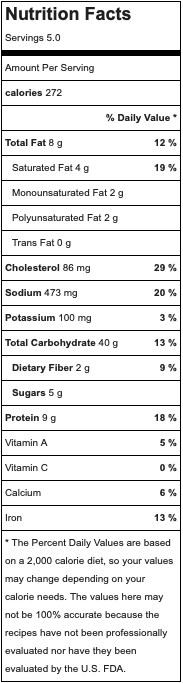
A very simple recipe for tasty challah bread, adapted from an old bread machine recipe book.This recipe can be used to make one or more loaves, depending upon the size desired. The calorie information provided here is based upon the assumption that the dough will be divided to make 5 small loaves rather than one large one.
Servings: 5 loaves
Calories: 272kcal
Equipment
- Measuring cup(s) or scale
- Measuring spoons
- Small and large bowls
Ingredients
Dough
- 1 tsp yeast (4 g) bread yeast for traditional method, or as prescribed by the bread machine if applicable
- 2 cups flour (340 g) all-purpose or bread
- 4 tsp sugar (15 g)
- 1 tsp salt (4 g)
- 8 tsp butter (30 g) unsalted
- 1 egg large
- water (see below)
Glaze
- egg yolk beaten
Topping
- poppy seeds optionally mixed with celery seed; coarse salt can be used as an alternative to either of these
Instructions
Traditional method
- Place the yeast into a bowl suitable for mixing the dough.
- Place the egg, whole, into a graduated measuring cup and cover with sufficient water to bring the level to 3/4 cup.
- Pour the water into bowl and leave to sit in a warm place until the yeast begins to foam slightly.
- Meanwhile, mix the dry ingredients together in such a fashion that the sugar and salt are well distributed; sift if necessary.
- Warm the butter so as to make it easy to work into the dough. Alternatively, liquify it, but without making it hot.
- Once the yeast is ready, add the mixed dry ingredients, and mix together as well as possible. There isn’t sufficient liquid at this point to make anything resembling a final dough, but the yeast will be incorporated into the dry ingredients before the next step.
- Next, incorporate the egg, and finally, the butter.
- Once reasonably mixed, dump the dough onto a suitable surface and knead well.
- Form the dough into a ball, cover with a bit of vegetable oil—just enough to keep it from drying out, no more—and return it to the bowl.
- Cover the bowl with plastic wrap to keep out draught and foreign matter, and place it in a warm place to rise—this is likely to take forty (40) minutes or so, and perhaps longer.
- Once the dough has roughly doubled in size, return it to the work area. Punch it down, then break it into two pieces, one being twice the size of the other.
- Roll out the smaller piece into a longish sausage shape, similar in proportions to a standard wiener or frankfurter. Do the same with the larger piece, maintaining the diameter but doubling the length.
- Braid the two pieces together. This is most easily done by laying out the longer piece in a V shape and placing the shorter piece between the branches of the V with one end over its tip, and then alternately folding the right length over the middle one, followed by the left, and so on. Do this about four times per side, as the thickness and length of the dough allows.
- Cover loosely and allow to rise once again, until roughly doubled in size.
- Brush the top of the braid with the egg yolk (or other glaze) if desired. At your option, sprinkle with topping.
- Bake in an oven preheated to 375°F/190°C for 20–25 minutes. Monitor the baking to ensure the degree of browning desired.
Bread machine method
- In the event one wishes to use a bread machine, ingredients should be placed into the machine in the order suggested by the manual (this can vary). Select a "sweet dough" cycle if available.
- Once the dough is ready, continue as above from the point of braid formation.
Notes
-
- Feel free to adjust sugar and butter quantities to taste. Keep in mind, however, workability of the dough: if adding more butter (for example), one may want to reduce the water slightly.
- Pure egg yolk results in a very brown glaze; one may wish to dilute it with a bit of water to mitigate this effect. Alternatively, or to avoid wastage, one can beat an entire egg; the effect is slightly different, however. Other possibilities include, e.g., milk or soy milk.
- Salt tends to be absorbed into the bread over time, so if this is chosen as a topping, the bread is best consumed in short order.
- Butter can be softened in the microwave rather than using a traditional bain marie; as an example, using a Panasonic Genius Prestige, P4 for two (2) minutes works nicely.
- In the event that one is using free roam eggs or the like, and blood in the egg is a potential concern, crack the egg into a separate dish as a precautionary measure before adding it to the dough.
- Rising can also be accomplished using a microwave. Using the machine mentioned above,
- ensure that the plastic wrap is loose
- place the dough bowl into a larger bowl filled with 3 cups of water, and place into the microwave
- heat on P1 for 25–30 minutes.